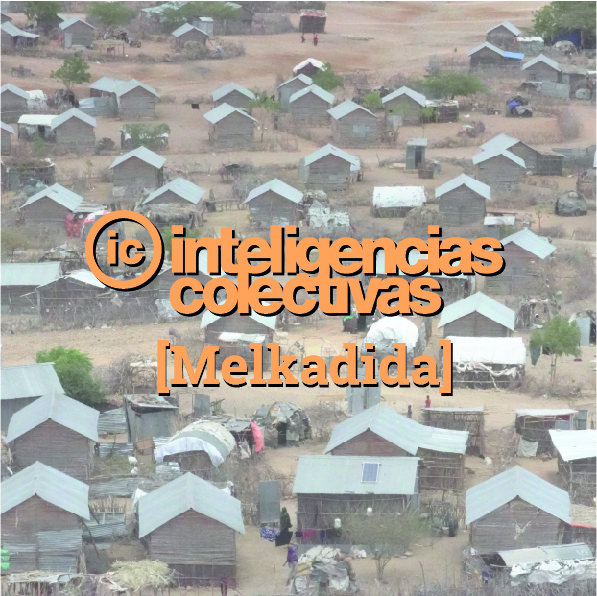

Melkadida Traditional Housing


description
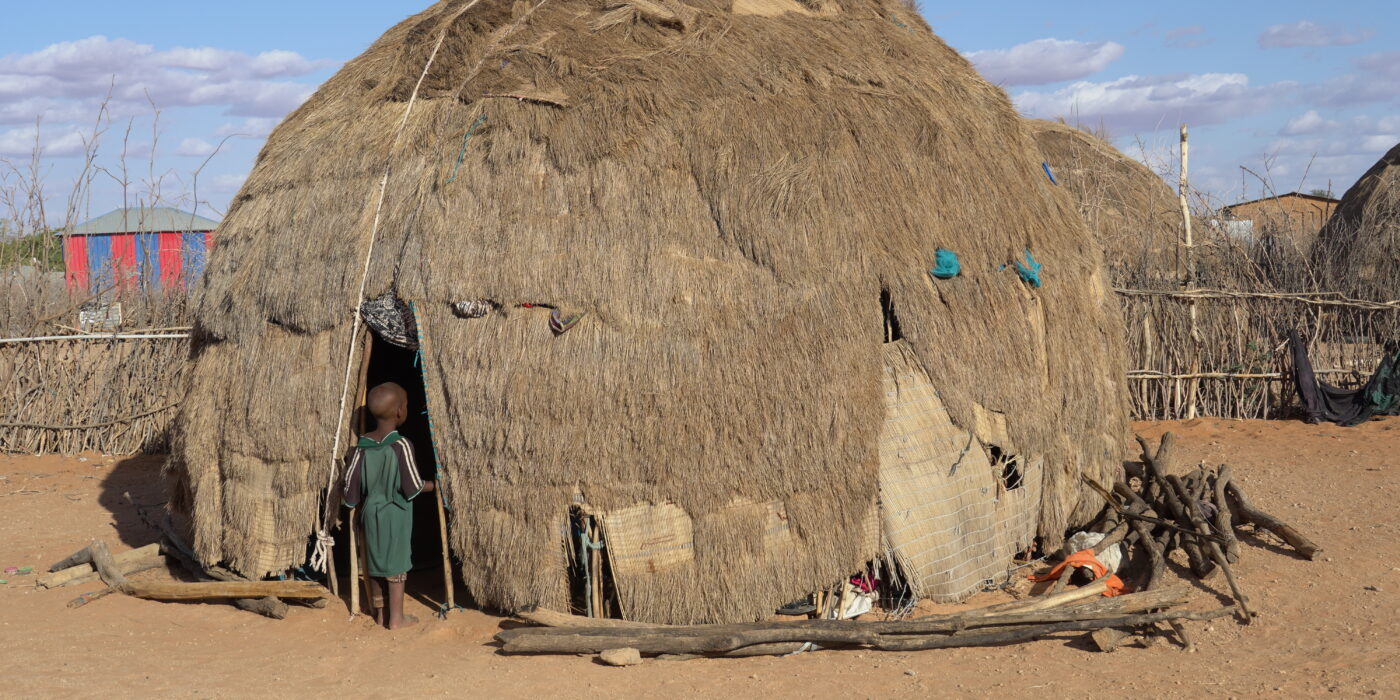
The traditional northern Somali house (1) in this area consists of a 3.5 to 4m diameter dome, traditionally built by women, together with relatives and friends.
These structures are used as one more room on the family plot. Users told us that the elderly feel comfortable in this type of shelter, which they have traditionally both grown up in and lived in.
Somali domes belonged to nomadic settlements and moved from time to time to a new location but here in Melkadida the domes are set up permanently on the family plots.
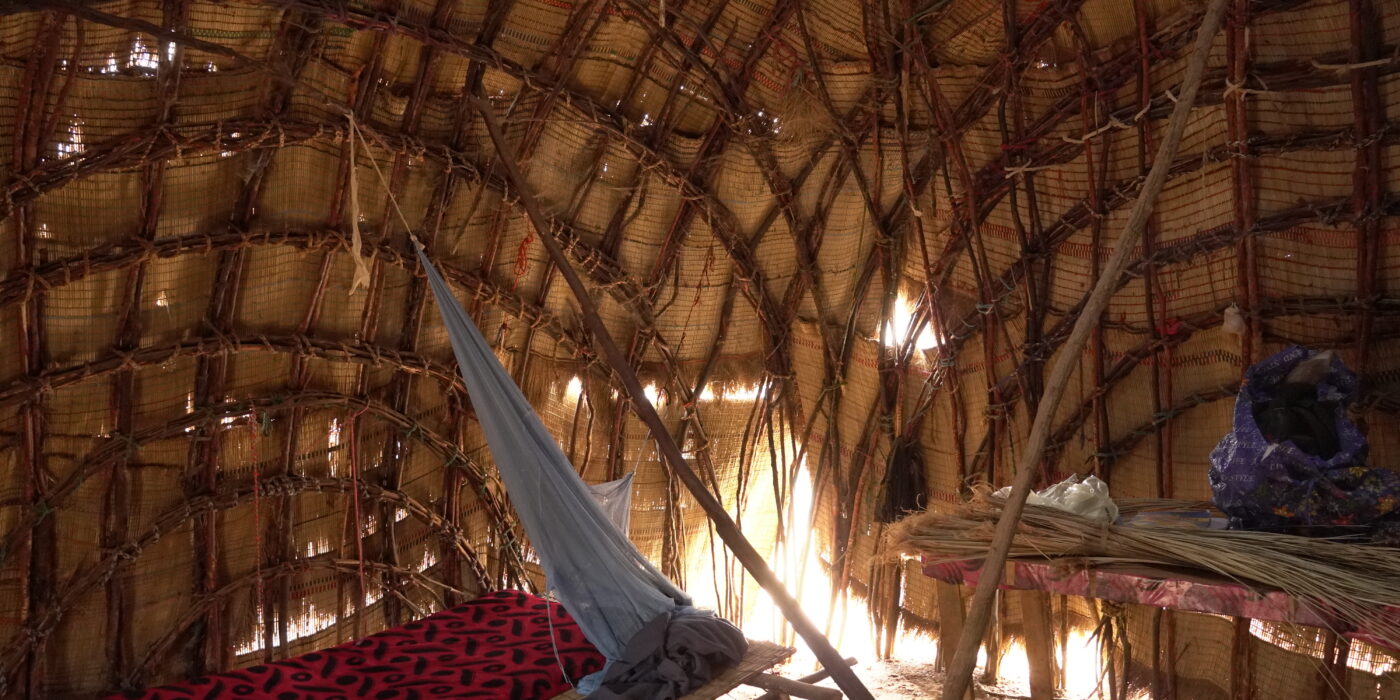
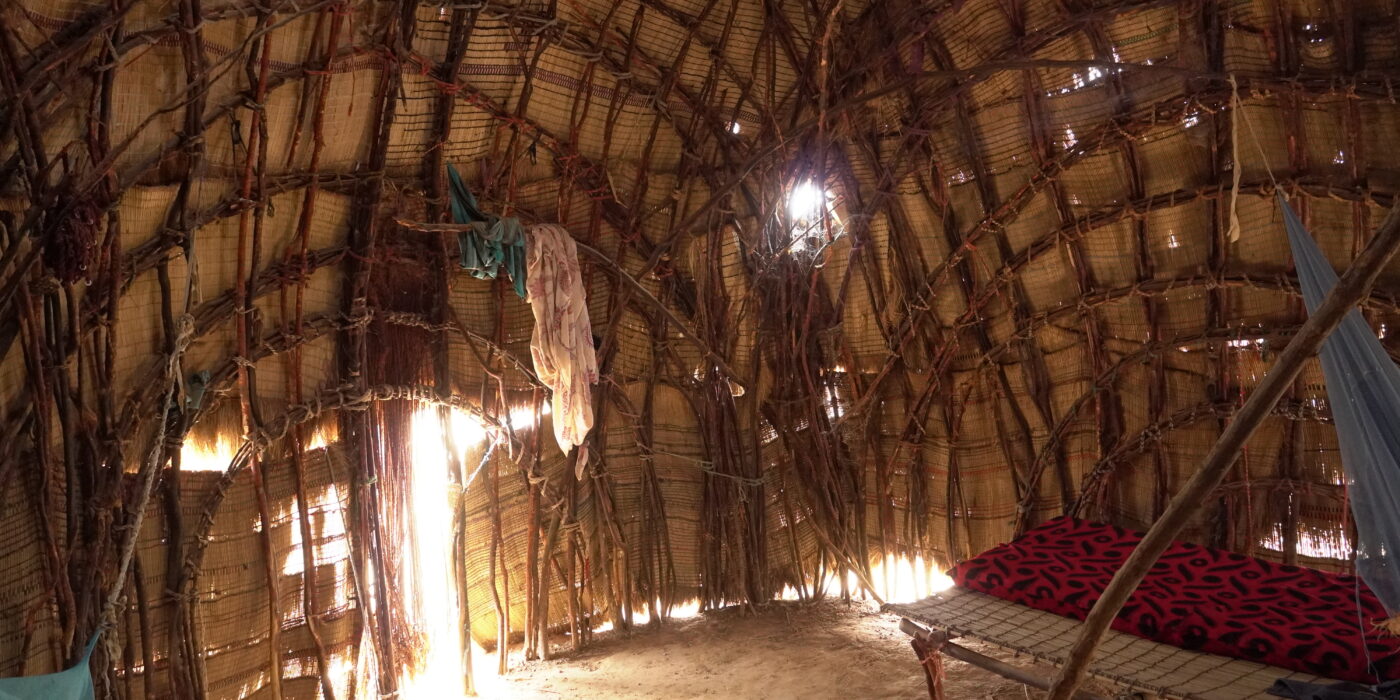
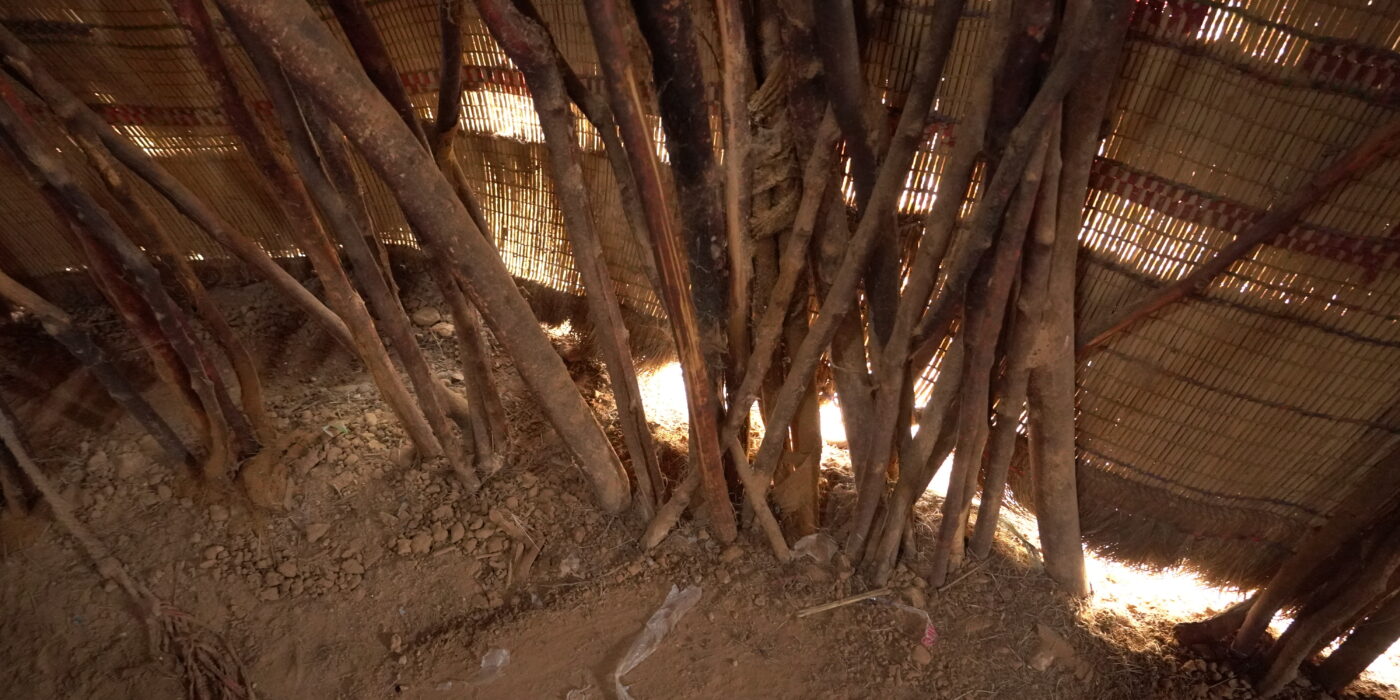
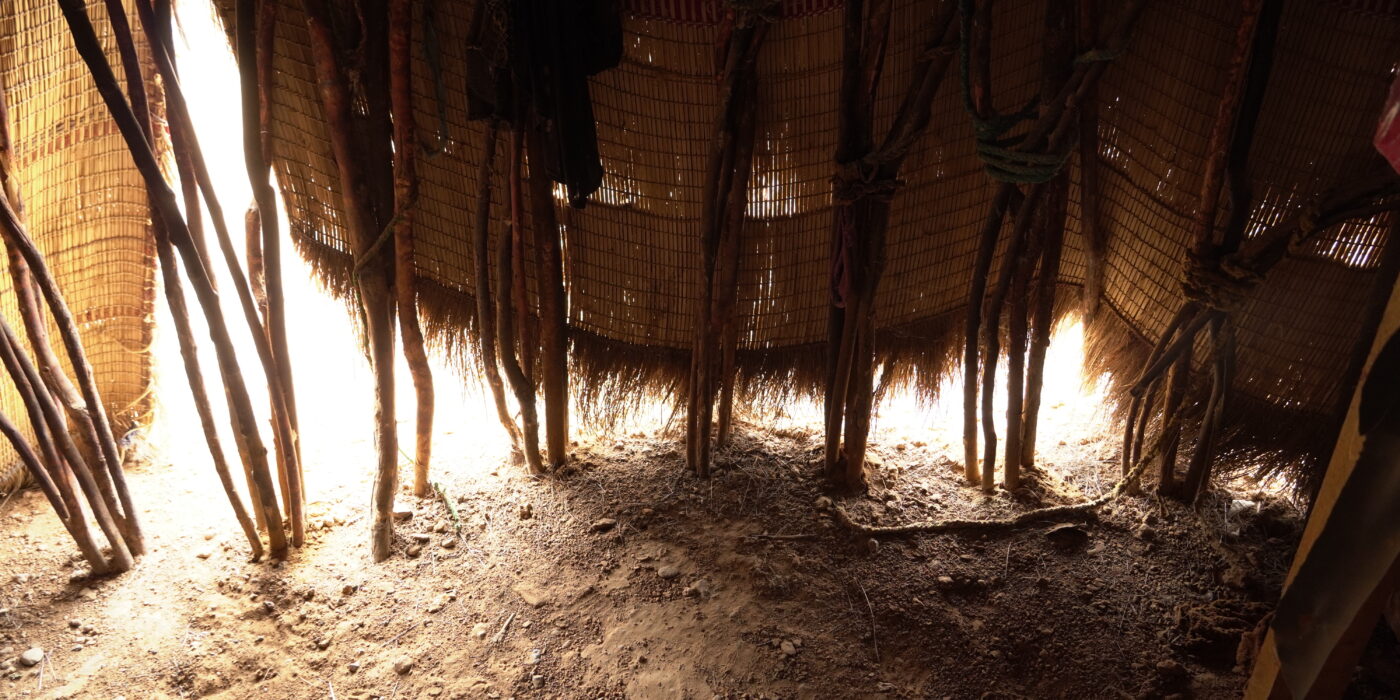
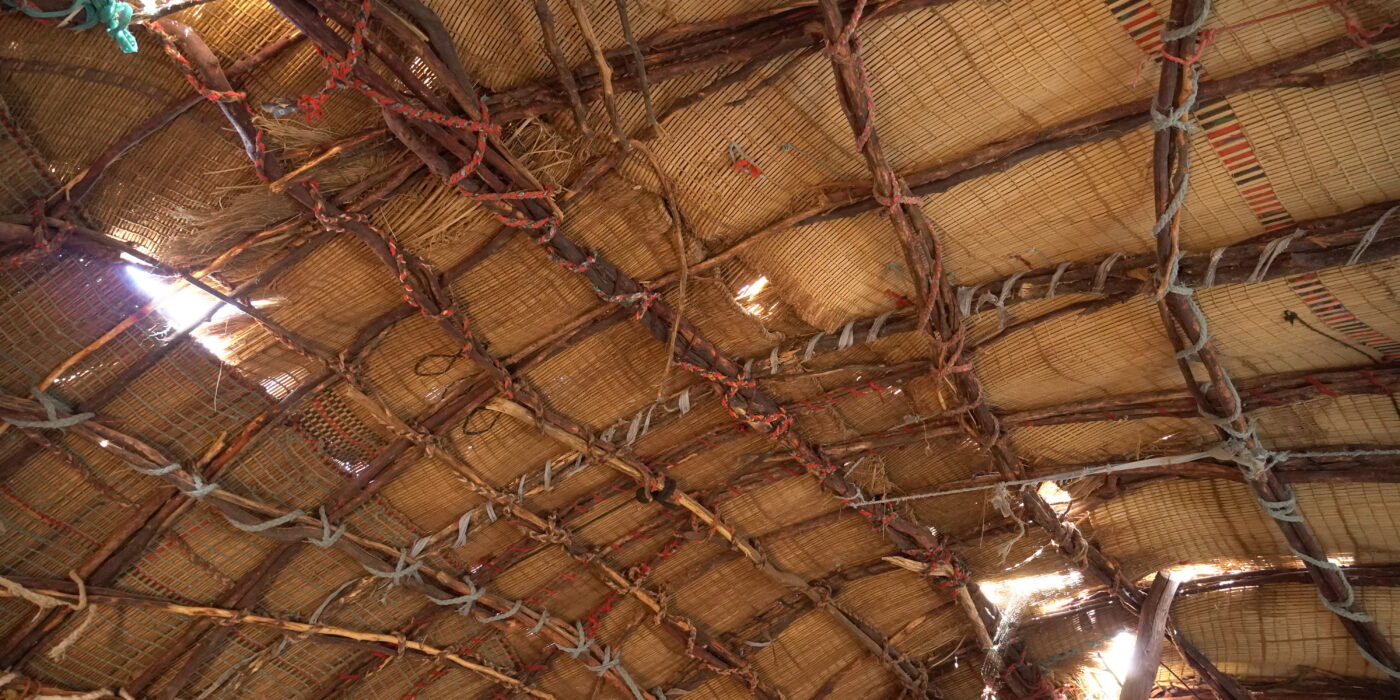
The structure is organized in parallel arches every 25 cm approx in two perpendicular directions. Acacia branches of about 15mm are intertwined in groups of 3 or 4 to form arches of different lengths. The arches are sunk about 15cm into the ground.
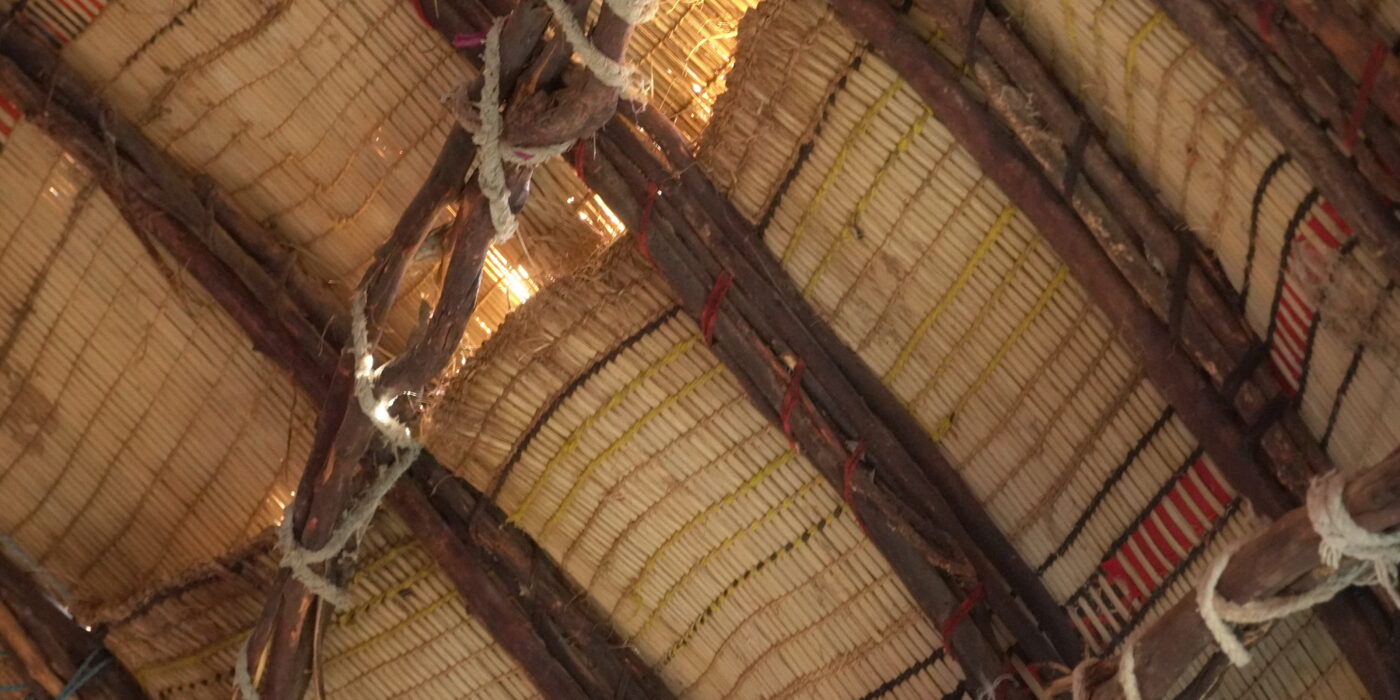
For all joints, rope made from textile remnants is used.
As we were told, the branches are bathed in boiled acacia sap. This makes them resistant to termite attacks.
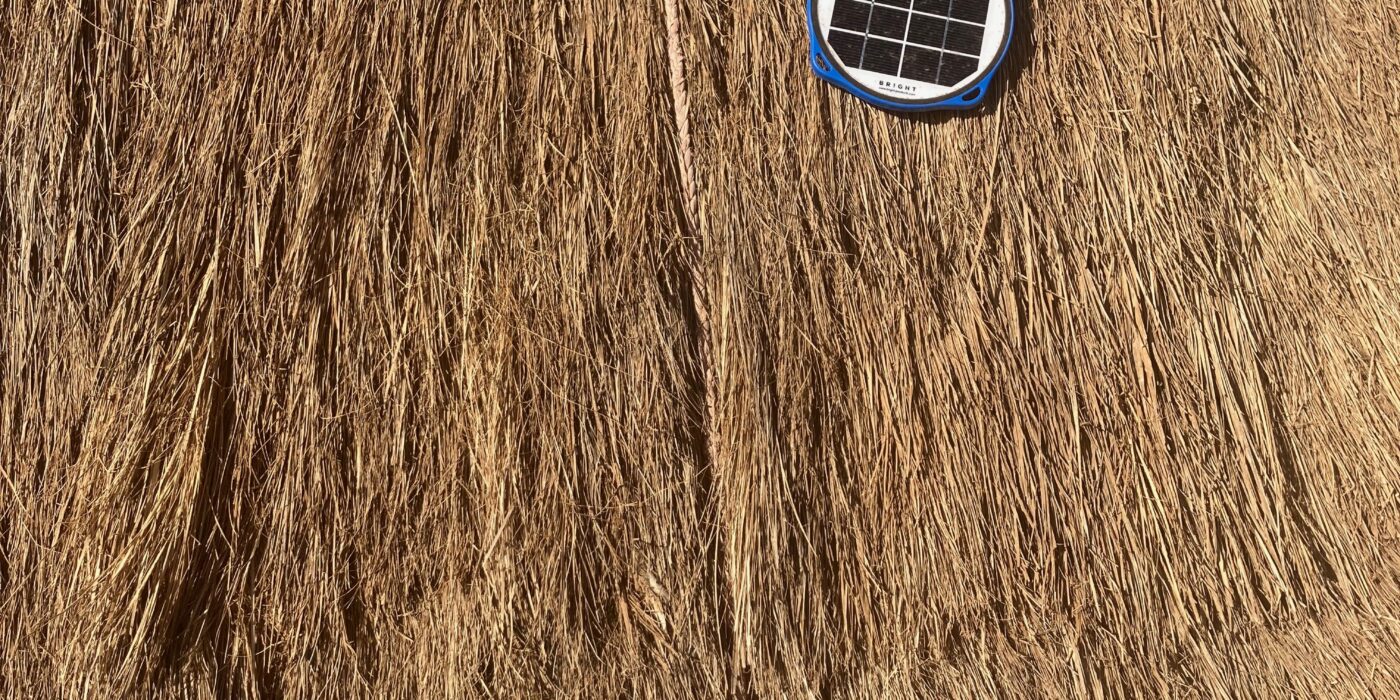
Mats made of woven palm leaves are arranged on the structure. These mats can last up to 2 years under normal conditions. Some people replace them with plastic sheets on the upper section of the houses. Plastic accumulates heat during the day and is cold at night, unlike the palm mat, which is why the perimeter of the tent is kept free of plastic to facilitate natural ventilation guaranteed by the palm.
The use of complex structural elements (group of thin branches instead of thick elements), joints without nails, and local materials seems to us valuable in terms of availability of material and environmental balance.